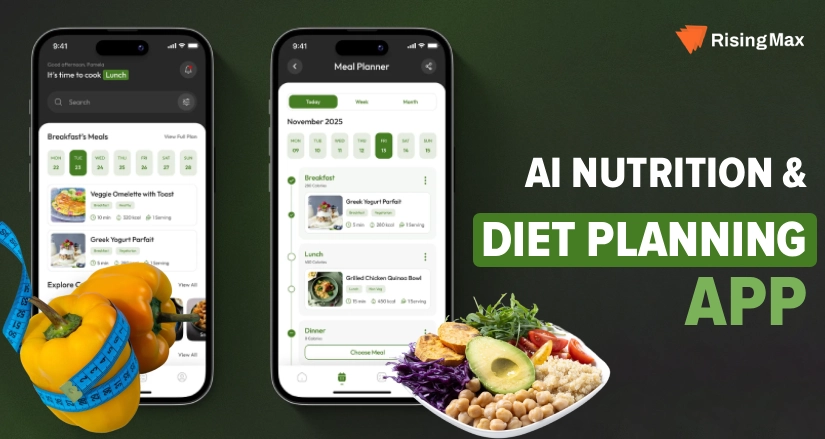
Artificial Intelligence is revolutionizing the healthcare and wellbeing industry. There are various aspects in which artificial intelligence is transforming the industry, including personalized workout guidance and health monitoring. One of the emerging trends that have gained much popularity within this context is the ai nutrition app. It is helping people gain more insight about healthy lifestyles through data-based analytics.
The world market of digital health technology is showing an exponential rise, thanks to increased awareness about health issues, high usage of smartphones, and AI-based solutions. AI-enabled diet and nutrition apps have become popular because of their personalized nature.
The world market of digital health technology is showing an exponential rise, thanks to increased awareness about health issues, high usage of smartphones, and AI-based solutions. AI-enabled diet and nutrition apps have become popular because of their personalized nature. The need for AI fitness and diet app development services is on the rise due to people’s search for better tools to manage their weight and other health-related issues.
Understanding AI Nutrition & Diet Planning Apps
A diet app based on ai technology makes use of sophisticated algorithms and machine learning techniques to formulate personalized diets. The application considers different aspects including age, weight, medical conditions, food choices, and fitness objectives to come up with an optimal meal plan.
Modern diet apps differ significantly from older apps by making use of the personalized nutrition app ai features for offering relevant information. The application learns from user activity and adjusts its recommendations.
In addition, it is important to know about how ai assists in diet planning. AI processes a large volume of data from nutritional data bases as well as from the user’s habits and then provides suggestions for food that will meet the health goals of the user. Also, the application may work with wearable devices..
Key Features of an AI-Powered Diet Planning App
- Personalized Diet Recommendations
The app uses AI algorithms to create customized meal plans based on user preferences, health conditions, and fitness goals. This ensures a tailored experience for every individual. - Calorie Tracking and Nutritional Analysis
With ai calorie tracking app development, users can log their meals and receive detailed insights into calorie intake, macronutrients, and micronutrients. This helps maintain balanced nutrition. - Smart Meal Planning
Additionally, restaurants are connecting these platforms with an interactive digital menu to show real-time calorie counts and customized dietary options to guests. - Integration with Wearables
The app syncs with fitness trackers and smartwatches to monitor physical activity and health metrics. This data is used to refine diet recommendations. - AI Chatbot Assistance
The integration of an AI Therapy Chatbot allows users to get instant responses to diet-related queries, mental health support, and lifestyle advice. - Real-Time Progress Tracking
Users can track their fitness progress, weight changes, and dietary habits over time. AI provides insights and suggestions for improvement. - Food Recognition Technology
Using image recognition, users can scan their meals to log food items automatically. This enhances user convenience and accuracy. - Remote Health Monitoring
Advanced apps incorporate AI Remote Patient Monitoring to track health conditions such as diabetes or hypertension and adjust diet plans accordingly. - Multi-Platform Accessibility
A robust AI fitness and diet app development approach ensures the app is accessible across mobile, web, and wearable devices for seamless user experience.
Technologies Required for AI Nutrition App Development
| Technology Layer | Tools & Technologies |
| Frontend Development | React Native, Flutter, Swift, Kotlin |
| Backend Development | Node.js, Django, Ruby on Rails |
| AI & Machine Learning | TensorFlow, PyTorch, Scikit-learn |
| Data Analytics | Apache Spark, Hadoop |
| Cloud Platforms | AWS, Google Cloud, Microsoft Azure |
| Database | MongoDB, PostgreSQL, MySQL |
| API Integration | RESTful APIs, GraphQL |
| Wearable Integration | Apple HealthKit, Google Fit APIs |
| Chatbot Development | Dialogflow, IBM Watson |
| Security | OAuth 2.0, SSL Encryption |
| DevOps | Docker, Kubernetes, Jenkins |
A professional diet planning app development company ensures the seamless integration of these technologies to build scalable and high-performing applications.
Step-by-Step Development Process of an AI Diet Planning App
- Requirement Analysis and Planning
The development process begins with identifying business objectives, target audience, and app functionalities. Proper planning ensures alignment with user needs and market demands. - UI/UX Design
Designers create intuitive and engaging interfaces that enhance user experience. A well-designed app improves user retention and engagement. - Data Collection and Preparation
Collecting high-quality nutritional and user data is essential. This data is used to train AI models for accurate recommendations. - AI Model Development
Machine learning models are developed to analyze user data and generate personalized diet plans. This is the core of ai diet planning app development. - App Development
Developers build frontend and backend components while integrating AI functionalities. This stage also includes ai nutrition app development and feature implementation. - Integration and Testing
The app is integrated with third-party services and thoroughly tested for performance, security, and usability. - Deployment
The app is launched on platforms like iOS and Android. Cloud deployment ensures scalability and accessibility. - Maintenance and Updates
Continuous monitoring and updates are essential to improve performance and introduce new features.
Role of Machine Learning and Data Analytics in Personalization
- User Behavior Analysis
Machine learning algorithms analyze user habits, preferences, and lifestyle patterns. This helps in creating highly personalized diet plans. - Predictive Recommendations
AI predicts user needs based on historical data and suggests meals or dietary changes proactively. - Nutritional Optimization
Data analytics ensures that meal plans meet nutritional requirements while aligning with user goals. - Real-Time Adaptation
AI systems continuously learn from user feedback and adjust recommendations accordingly. - Health Risk Assessment
Machine learning models can identify potential health risks and suggest preventive dietary measures. - Enhanced Engagement
Personalized notifications and insights keep users motivated and engaged with the app.
Cost to Build an AI Nutrition & Diet Planning App
| Development Stage | Estimated Cost (USD) |
| Research & Planning | $5,000 – $10,000 |
| UI/UX Design | $8,000 – $15,000 |
| Backend Development | $15,000 – $30,000 |
| AI Model Development | $20,000 – $50,000 |
| Frontend Development | $10,000 – $25,000 |
| API Integrations | $5,000 – $15,000 |
| Testing & QA | $5,000 – $10,000 |
| Deployment | $3,000 – $8,000 |
| Maintenance | $1,000 – $5,000/month |
The total cost depends on complexity, features, and the expertise of the ai healthcare app development company you choose.
Future Trends in AI-Based Health and Nutrition Applications
The future of AI-based diet plan applications in the future is very exciting. With the help of new innovations in artificial intelligence and big data, apps will become more intuitive and predictive. Voice assistants and conversations via chatbots are becoming increasingly popular in user experience.
Another innovative approach involves genomics and nutrition based on DNA. In the future, there will be apps that will create personalized diets according to a person’s genetic profile. Moreover, the fusion of AI remote patient monitoring and diet apps will help people track their health status and receive timely advice.
The use of augmented reality (AR) for food visualization and blockchain for secure health data management is also gaining traction. Businesses investing in ai meal planner app development and ai calorie tracking app development will be at the forefront of innovation in digital health.
Conclusion
The rise of AI in healthcare has opened new avenues for innovation, particularly in nutrition and diet planning. The development of an innovative ai nutrition app entails the integration of several factors ranging from advanced technologies to sound data analysis techniques. These apps are making remarkable changes through the personalization of health services and offering personalized meal recommendations..
In order to guarantee success of your venture, it is highly advisable to consider collaborating with an experienced diet planning app development company. Depending on your expectations, whether it be the development of a simple or a more sophisticated app inclusive of the features such as AI Therapy Chatbot and AI Remote Patient Monitoring, you have every reason to benefit greatly from developing your ai fitness and diet app. It is time to tap into the lucrative health care industry through ai nutrition app development
FAQ’s
- What makes an AI nutrition app different from traditional diet apps?
AI apps provide personalized recommendations using real-time data and machine learning, unlike static diet plans in traditional apps. - How does AI improve user engagement in diet planning apps?
AI uses personalized notifications, smart insights, and adaptive recommendations to keep users motivated and engaged. - Can AI nutrition apps integrate with wearable devices?
Yes, they can connect with fitness trackers to monitor activity levels and adjust diet plans accordingly. - Are AI diet planning apps suitable for people with medical conditions?
Yes, advanced apps use health data to create customized plans for conditions like diabetes or hypertension. - What role does data play in AI nutrition apps?
Data is crucial for training AI models and delivering accurate, personalized diet recommendations. - Can AI nutrition apps support mental wellness?
Yes, features like AI Therapy Chatbot provide emotional support and guidance related to healthy habits. - How often should an AI diet app update recommendations?
AI apps update recommendations in real time based on user activity, feedback, and changing health data.